
Should You Try Psychedelic-Assisted Psychotherapy?
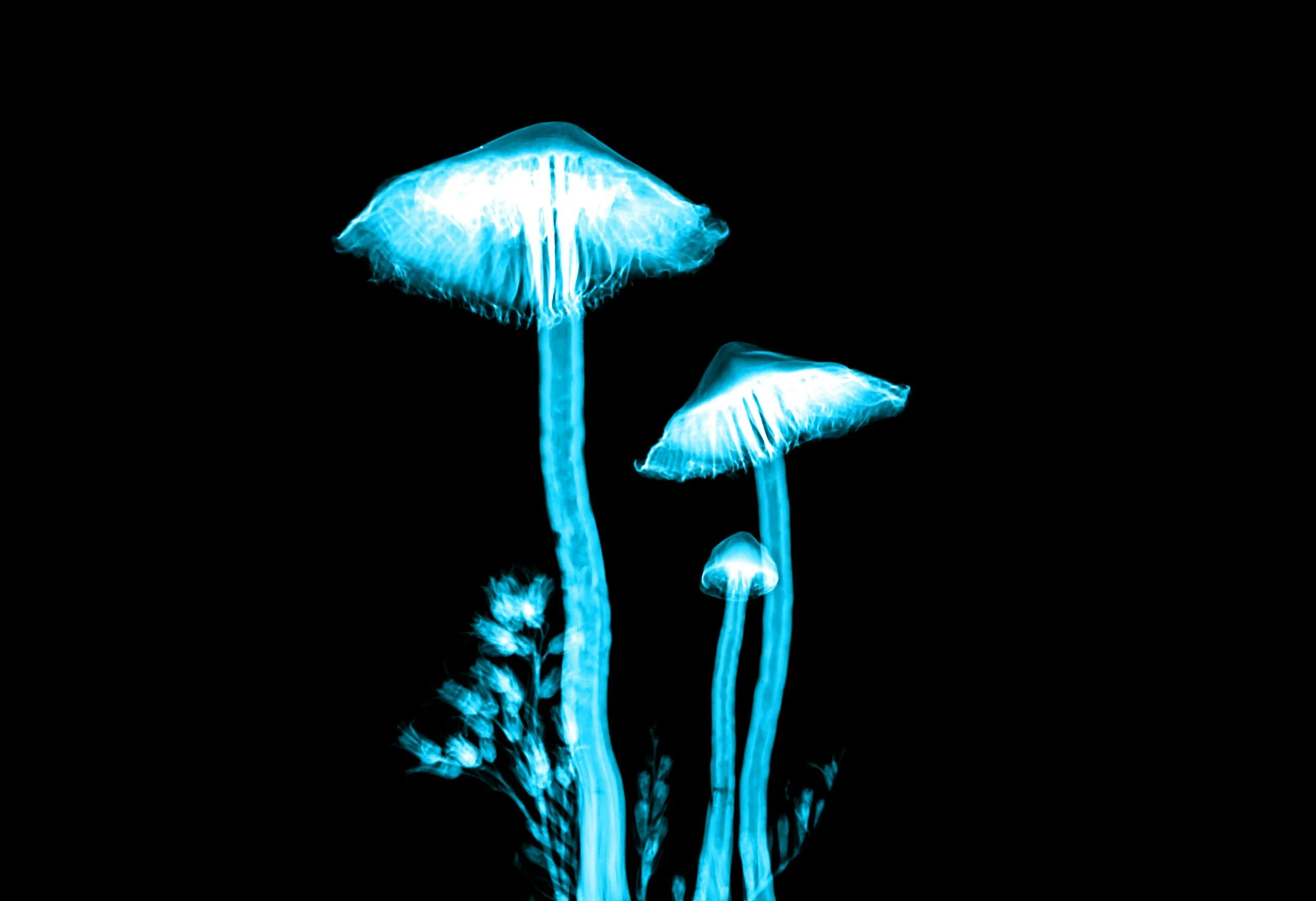
Image by Mathew Schwartz/Unsplash
People working in the mental-health field are currently very excited about psychedelic-assisted psychotherapy. That’s because there has been extensive research in recent years into the potential of drugs like psilocybin (found in magic mushrooms) and MDMA (the psychoactive component in ecstasy) to treat a wide range of mental-health and substance-abuse problems. It’s important to note that these are not being offered by zany, New Age gurus, but are being conducted under rigorous scientific conditions at prestigious institutions like Johns Hopkins University in the US and King’s College London in the UK.
The excitement comes from the remarkable results, often with hard-to-treat problems like long-term, severe depression, alcoholism and post-traumatic stress disorder (PTSD). As a psychotherapist, I know all too well how hard these problems can be to shift, especially when they are long-term issues. Of course, I am a passionate believer in the power of cutting-edge, trauma-informed therapies like schema therapy or internal family systems to help people with even the most stubborn, longstanding problems.
But I am always open to new ideas and promising treatments, so I fully intend to try psychedelic-assisted therapy myself in the near future. Unfortunately, that means travelling to a more enlightened country like the Netherlands, where these treatments are now legal for medical use. I hope the UK follows suit soon, but for now you can only access them here by joining a clinical trial at a university like King’s.
Are psychedelics right for you?
It’s important to note that I’m not advising anyone to have this kind of therapy. These are powerful treatments and you should think carefully before trying them. If you do, please find a qualified clinician like a psychotherapist, psychologist or psychiatrist to guide and support you, as there are a lot of shady characters in this field and, as with all treatment, there is the possibility of adverse effects.
The second thing to consider is which problems you are seeking help for. Psilocybin has shown great promise with depression and addictions to substances like cigarettes and alcohol. MDMA has shown even greater promise for PTSD and other forms of trauma. Here is an excellent PBS documentary on YouTube exploring the different drugs, how they work and interviewing people who have had tremendous benefits from them.
You might also enjoy Michael Pollan’s fascinating Netflix documentary series, How to Change Your Mind. Pollan is an acclaimed science writer and has explored psychedelics himself, both for this series and his book of the same name (which is also excellent).
Remarkable results
I must admit, I was blown away by the success of MDMA in helping people with PTSD, which is notoriously hard to treat with standard talking therapy. That’s because people with PTSD often avoid their trauma memories at any cost, but with the help of MDMA – and the support of a skilled clinician – people seem able to process those memories without becoming triggered or overwhelmed.
Research shows that over 70 per cent of people treated with MDMA-assisted therapy no longer have any symptoms of PTSD – and that this effect persists long-term. That is a remarkable success rate and, of course, life-changing for people struggling with the impact of trauma, whether that’s combat veterans or survivors of natural disasters.
These treatments also offer great promise for my specialism, which is helping people with childhood trauma. Most of my clients do not have PTSD but they are struggling with the legacy of traumatic experiences as kids. I will try MDMA for my own trauma in the near future – watch this space for my take on that.
I hope you found that insightful – and if you are struggling with trauma, whether that’s PTSD or other traumatic wounds, I hope you find the help you need. Whether that’s through these remarkable medicines, or other forms of therapy, know that there is so much trauma-informed help available now, so please don’t suffer in silence.
Love,
Dan ❤️
Enjoying Dan’s blog? Please make a small donation to support his work – all donations received will go to help Dan offer low-cost therapy or free resources to those who need them. Thank you 🙏🏼