
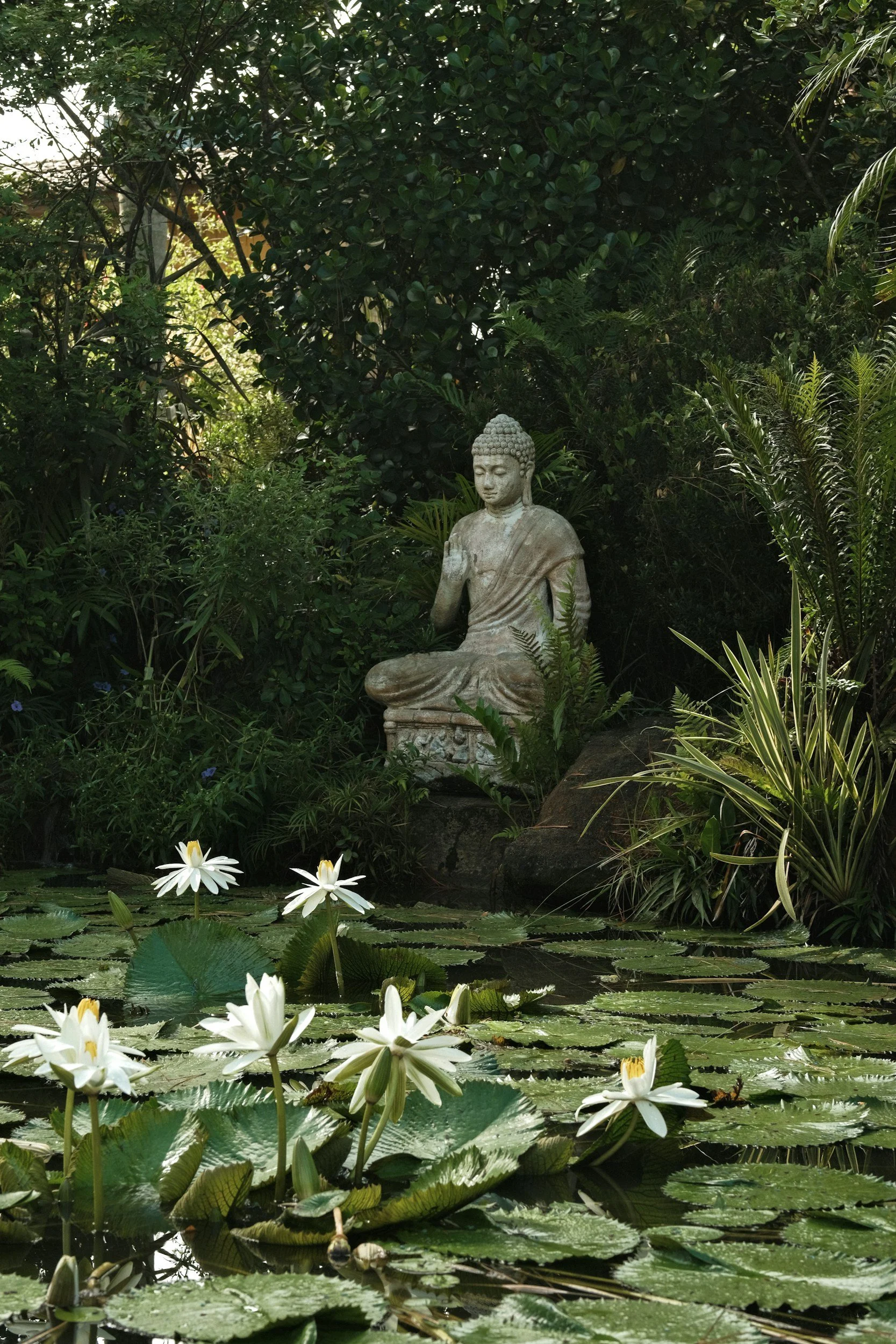
Image by Caroline Baadran/Unsplash
In a recent therapy session, a client asked me an interesting question. I was talking about the way some parts of us are protective, looking after the young ones who are hurt, sad, anxious or depressed. And I spoke a little of my own experience, describing the way parts of me reach for the chocolate when Little Dan is feeling upset in some way.
‘Do you still get upset though?’ he asked me. And it took me aback a little, because he meant after 30-plus years of therapy, daily meditation and learning everything I possibly can about healing, shouldn’t I have evolved beyond getting upset? There is a lovely Buddhist word for this calm, balanced state: equanimity. So haven’t I achieved equanimity by now?
As I said to him, yes and no. I am profoundly happier, calmer and more balanced than I was 30 years ago. I don’t drink these days, so the strongest drug I ingest on a daily basis is caffeine. I have a long-term, loving marriage with my wonderful wife, Laura. I engage in work I am passionate about every day: helping people through therapy, teaching and writing to heal their own trauma. I love gardening and walking in Nature, stimulating my ‘blue mind’ by sitting on the lovely beaches a short drive from our house.
Some Human suffering is, sadly, inevitable
One of the Buddha’s most profound teachings was that living a human life means that some level of suffering is inevitable. This most basic kind of suffering – or dukkha in Pali, the language of the Buddha – stems from living in a frail human body, which can get sick or be hurt at any time and will eventually stop working. We experience dukkha because our loved ones also get sick and are mortal while big, scary things like climate change happen to us, mostly beyond our control. We get stressed, anxious, hurt and upset on a regular basis – these are intrinsic to the human condition.
The Buddha also taught that there are other forms of dukkha which are not inevitable and arise from our reaction to the unavoidable kind. If life is stressful, I very understandably don’t want it to be so. Stress is unpleasant so I might think, God, I hate being so stressed. If I only had X, I would feel much happier and life would be great. X might be more money, better health, a more patient partner, fancier holidays or a slimmer body.
This means we are trying to push away bad stuff, like stress, and grasp on to good stuff, like nice holidays. And we are saying, I don’t like this and want it to be that. If you have ever played this game, you will know it’s a surefire recipe for multiplying suffering. Because often we are stuck with this, whether we like it or not, and that is always just over the horizon, elusive and un-graspable.
The (hard-to-achieve) end of suffering
There is another Buddhist concept with which we’re all familiar: enlightenment. The Buddha described this state as the end of all suffering. He also believed that there is a step-by-step process through which we can all become enlightened, or awakened, and that this process is available to all of us. Meaning you, me and the eight billion people with whom we share this planet. Of course, enlightenment may be possible, but it’s certainly not easy!
After all that therapy and many, many hours of meditation and Buddhist study, I am by no means enlightened. But I am more enlightened than I used to be, which is crucial. I remember a Buddhist teacher saying that he and we, his students, may never reach enlightenment. But the path towards enlightenment is right beside us and we can all step on to that path at any time. It’s right there. I love this idea, because it stops enlightenment being another kind of X and makes working towards it something achievable, in fact quite simple: just step on to that path.
I definitely see myself as being on the path towards enlightenment and believe I can free my mind from pain and suffering, a little more, every single day for the rest of my life. So, circling back to my client’s question, do I still get upset? Undoubtedly yes. Am I less upset than I used to be? Also yes. And am I on a path towards freedom from dukkha? That’s another yes – whether I will ever reach that fabled destination is another question.
If these ideas are interesting and helpful for you, explore them in greater depth in my new book, Heal Your Trauma: How to Overcome a Painful Childhood to Become Happy and Whole Again. You can order your very own copy by clicking on the button below.
Love,
Dan ❤️
Enjoying Dan’s blog? Please make a small donation to support his work – all donations received will go to help Dan offer low-cost therapy or free resources to those who need them. Thank you 🙏🏼