
Does Your Mood Dip with the Changing Seasons?
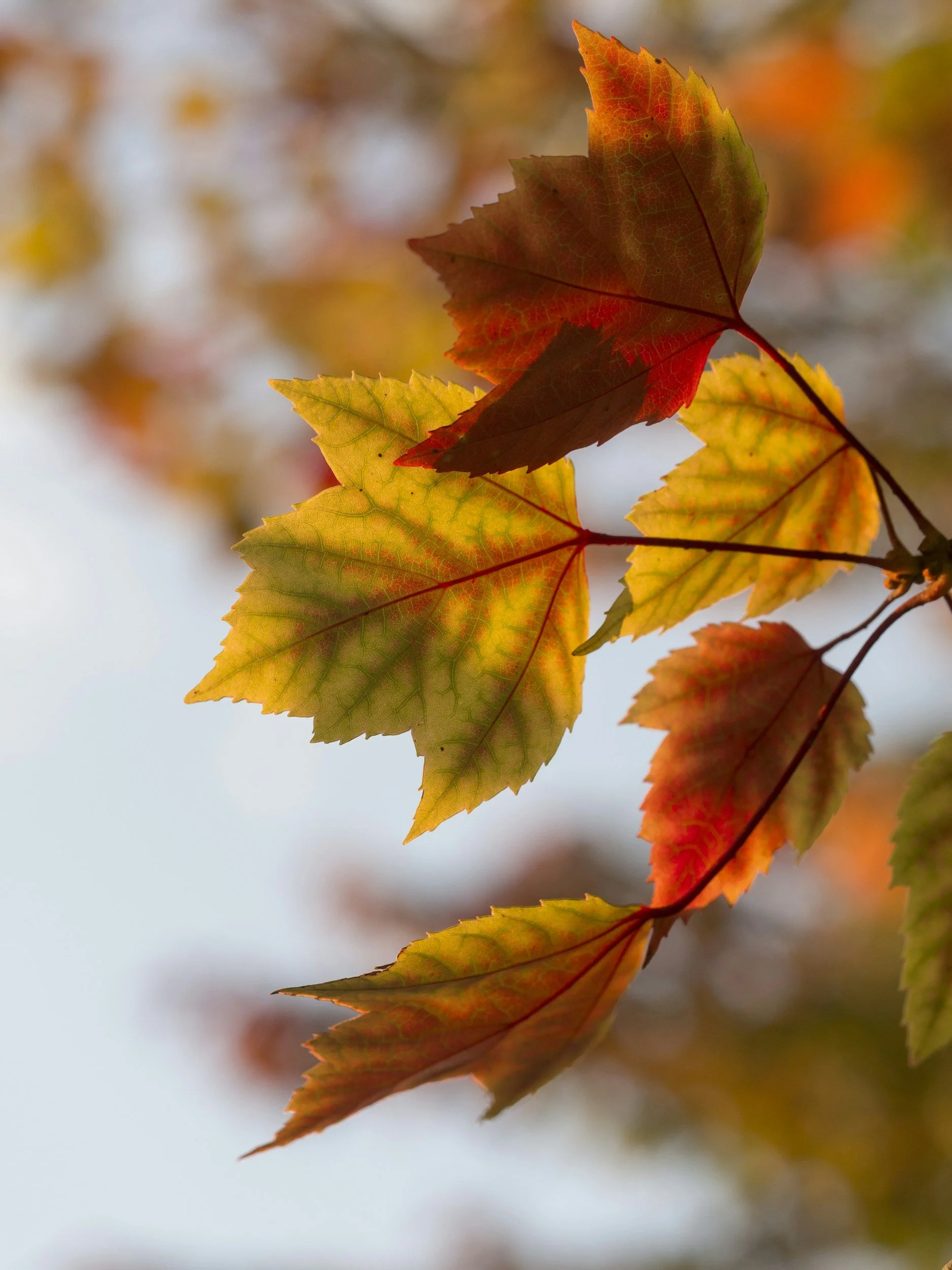
Image by Aaron Burden/Unsplash
Here in my leafy corner of England, the seasons have clearly shifted and autumn is undoubtedly here. Looking out of my study window as I type this, the skies are grey and there’s a drizzly, misty rain falling. I don’t mind the rain – in fact, I welcome it after our dry, scorching summer – but I noticed my mood dip a little at the sight of those leaden grey skies.
And this is perfectly natural. I often think that we are much more sensitive to subtle changes in light, weather and temperature than we realise, because humans are adapted to life out in the wilds, to farm, hunt or gather, so we are programmed to change our behaviour depending on the time of day or year. As days get colder and nights longer, my living-in-the-wild brain is telling me to hunker down, save energy and get ready for the long, lean winter months.
Like so many symptoms we label as maladaptive (one of my least favourite words), this dip in our collective mood at the this time of year is adaptive, because it tells us the bountiful summer is over and it’s time to save food/energy and get busy bottling, jam-making, firewood-gathering and generally getting ready for the cold and dark.
The beauty of impermanence
There is no better demonstration of the Buddhist concept of impermanence than the changing seasons. Even in these days of climate change-induced weather weirdness, in the UK we still broadly have four seasons. Summer morphs into autumn, which gives way to the chilly, dark days of winter and then my favourite season comes bursting forth in all its Technicolor glory: spring.
As the Buddha observed in his Four Noble Truths over two millennia ago, one of the ways humans create needless suffering is through our resistance to change. If we like things, we want them to stay as they are, so try to cling on to the warmth of summer, or riot of autumnal colour. Most of us dread winter, so we resist that, as if we could keep it at bay through sheer force of will.
But of course we can’t – winter is coming, whether we like it or not. The Buddha also taught that, to reduce our suffering, it’s helpful to accept that:
We have minimal control over most things in our lives. The changing seasons are one of them, so why waste mental energy on trying to wish them away?
Everything is in a state of flux and change, all the time. We age, our bodies change, plants grow and die back, ready to flourish again in spring. Days move through cycles of light and dark, even mighty stars like our Sun eventually age and die (don’t worry, we’ve got about about a billion years before that affects humanity).
A surefire route to suffering such as depression is thinking things like, I hate winter! The cold and dark make me miserable, so I’ll just have to suffer through it until spring. Understandable, but unhelpful.
The power of acceptance
The Buddha distinguished between two types of suffering, one the inevitable consequence of living a human life, the other needless and optional. Most human suffering is the latter kind. And one of the most powerful way to avoid all this extra stress, anxiety and depression is to practice acceptance.
Try adopting a more accepting mindset about the ever-changing seasons, which might look something like, I don’t love winter and my mood does dip when it’s so dark. But I can’t change that, so let’s make the best of the shorter days and enjoy the long, cozy evenings curled up with my cat. Or, Winter is a struggle, but hating it will just make me frustrated and sad. Let’s think about all the good things: Sunday roasts, crackling log fires, custard, Christmas and Sunday movie marathons.
This is not about thinking positive all the time, which is a bit fake and unhelpful. Especially if you experience SAD (seasonal affective disorder), the dark days can be rough. But it’s clear that we can think our mood up or down, even if we find winter a struggle. Buddhists have known this for 2,500 years – and Buddhist monks/practitioners are some of the calmest, happiest people I have ever met.
Why not draw on some Buddhist wisdom to help you embrace change and reduce needless suffering? It certainly can’t do any harm – and might just help you through the colder months with a warmer heart, which has to be worth a try.
If you would like to know more about how we can use Buddhist psychology to enrich our lives, you will enjoy my new book, Heal Your Trauma: How to Overcome a Painful Childhood to Become Happy and Whole Again. You can get your very own copy by clicking the button below.
Love,
Dan ❤️
Enjoying Dan’s blog? Please make a small donation to support his work – all donations received will go to help Dan offer low-cost therapy or free resources to those who need them. Thank you 🙏🏼