
What is Your Compassionate Self?
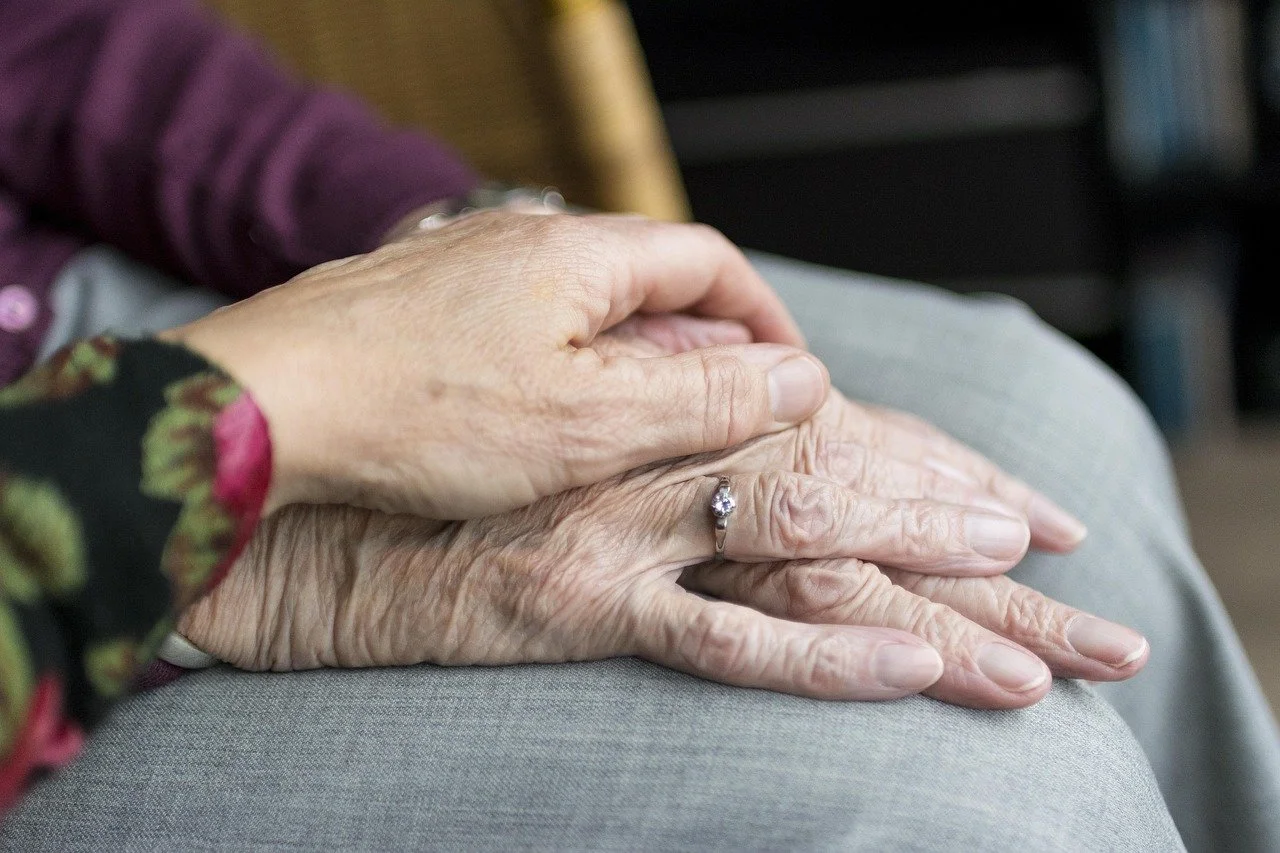
Regular readers will know that I am passionate about the transformative power of self-compassion. I see this vital inner resource as an antidote to painful feelings like shame or self-dislike, as well as negative beliefs you might have about not being good enough or feeling that you are damaged in some fundamental, permanent way. And it’s a key ingredient in healing trauma, because learning that you are not bad, broken or unlovable – and in fact are worthy of care, kindness and respect – is key. As is developing the skill of calming, soothing and wrapping your arms around your hurt, scared and bereft little parts.
It’s also clear from decades of research (led by the wonderful Dr Kristin Neff) that regular self-compassion practice helps with anxiety, depression and eating disorders, as well as building resilience, enhancing your quality of life and much more besides. In some ways, this is common sense – treating ourselves with the same warmth, kindness and compassion as we do beloved people in our lives is clearly a better idea than treating ourselves like an enemy, to be berated and criticised harshly for every failing, whether real or imagined.
After many years of working with people struggling with the legacy of childhood trauma, it’s clear that this is one of those things that sounds good in theory, but is hard to do in practice. Especially if you have a trauma history, your Inner Critic may well be big, shouty and a dominant force in your mind – so much so that people often don’t know they even have an Inner Critic. That’s just me, they say, or That’s just the way I think, as they call themselves stupid, worthless or weak.
There is another – kinder, more loving – you
As much as you need to learn that you do, in fact, have an Inner Critic – and that this part of you can, unwittingly, create a great deal of inner turbulence – you also need to meet the you who is not harsh, not critical, in fact wise, kind and loving, wishing only the best for you. There are many ways of thinking about this inner resource, from the religious to the neuroscientific, which I will be exploring in my next book, as it’s such a rich, complex and fascinating topic (this book is embryonic at the moment, but you can now pre-order my first book, Heal Your Trauma: How to Overcome a Painful Childhood to Become Happy and Whole Again, here).
Here are a few ideas about this resource, from different wisdom traditions and therapy models:
In Buddhism, this might be called your Buddha Nature, although the idea of a boundless, loving awareness also works well
In dialectical behaviour therapy (DBT), it’s called your Wise Mind
Relationship therapist Terry Real adapts this concept slightly to speak of the Wise Adult
Schema therapy focuses on building up and resourcing your Healthy Adult mode
Internal family systems (IFS) calls this resource Self and its expression in your mind and body, Self-energy
Compassion-focused therapy speaks of your Compassionate Self, perhaps my favourite of these terms
How to access your compassionate self
There are so many ways of thinking about and describing this rich inner resource and, as often in psychology, it’s important to understand that none of these ideas are The Truth. They are concepts, opinions, hypotheses – ways of understanding something that can be hard to put into words and is best understood through direct experience. Anyone who has tried psychedelic-assisted psychotherapy will know exactly what this means, because psychedelics like psilocybin (found in magic mushrooms) seem to give people an immense, brain-rewiring surge of Self-energy, as IFS would describe it. I haven’t tried this approach myself (yet) but it seems as if this massive dose of healing energy is the magic ingredient that makes drug-assisted therapies so powerful.
There is a simpler way to speak of this resource and understand it more concretely – through a neurobiological lens. We know that all the properties of a Compassionate Self – love, compassion, kindness, mindfulness, perspective, nuanced and logical thinking – are found in the prefrontal cortex (PFC), the evolutionarily newest and most powerful region of your brain. This is also the only part of your brain that can soothe, regulate and communicate with subcortical brain regions like the amygdala, often called the fear centre of the brain. It seems to me that the magic of parts-based therapies like IFS is that they help you (your PFC/Compassionate Self) communicate directly with more emotional, reactive, younger parts of you (subcortical neural networks).
The chief job of any effective therapy – especially trauma-focused therapy – is to activate the PFC as much as possible, gradually strengthening the neural pathways and physical structures of this miraculous, sonnet-writing, rocket-engineering, skyscraper-building brain region. It’s no exaggeration to say that every development in human history has come about because of the PFC. And the self who lives here is the self that can calm, soothe and transform other brain regions. That, of course, is your Compassionate Self – your inner friend, ally, protector, healer, teacher and guide.
The good news? The very fact that you are reading this and taking in new, somewhat intellectually challenging information, means your PFC is lighting up right now. If your head was in an MRI scanner, the area just behind your forehead would be glowing like the Northern Lights, a beautiful visual symphony representing your thinking, growing, sculpted-by-experience brain. To me this is miraculous – and it’s the force that underlies all kinds of therapy, personal growth, healing and change.
I hope this (slightly theoretical) post was helpful for you – I will be writing more about the Compassionate Self in future posts, with more practical guidance on how to access and develop it, but for now sending love and the warmest thoughts from my brain to yours.
Love,
Dan ❤️
Enjoying Dan’s blog? Please make a small donation to support his work – all donations received will go to help Dan offer low-cost therapy or free resources to those who need them. Thank you 🙏🏼