
Why are Children so Much More Vulnerable to Trauma?
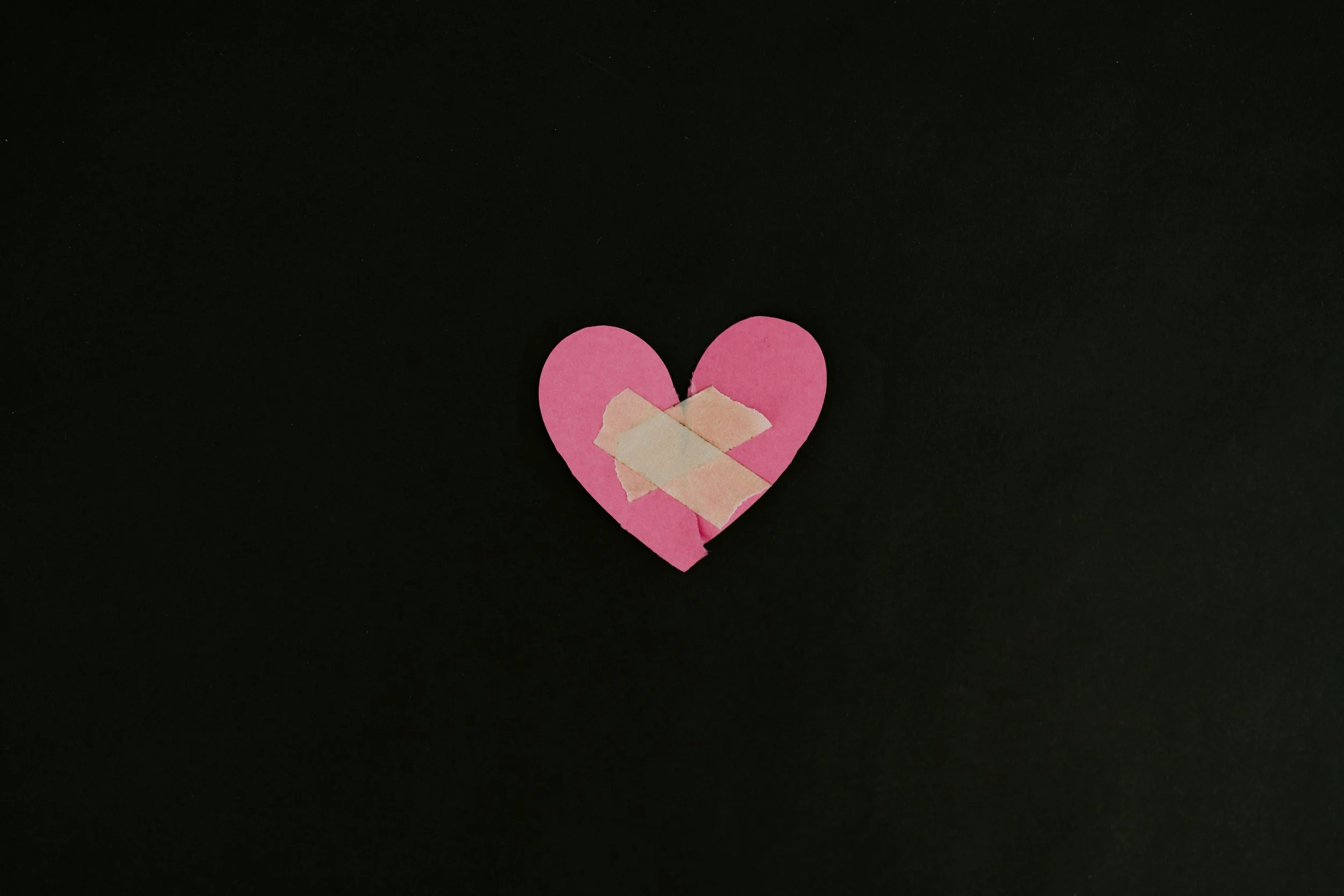
Image by Kelly Sikkema/Unsplash
Regular readers of these posts will know that my new book, Heal Your Trauma, is all about overcoming painful childhoods – especially traumatic ones. But why did I choose this area to focus on? And why, as a therapist, do I specialise in helping people overcome the legacy of traumatic childhoods?
First, let’s refresh our memories about what ‘trauma’ actually means. My favourite definition involves the root of this often used but much-misunderstood word in Ancient Greek, where trauma means ‘wound’. Initially, this meant a physical wound like a broken leg or other bodily injury. But the definition of trauma was later expanded to include psychological injuries, like the long-lasting impact of being screamed at by a rageful father, over and over again throughout your childhood.
So trauma means a long-lasting psychological wound. And this is key, because even very painful experiences like being made redundant or getting divorced are not traumatic if you overcome the initial shock, recover and find a new job or partner. Trauma is not like that. It stays with you for years or even decades, profoundly affecting your mind, brain, nervous system and body.
If you were that poor kid with a hot-tempered father, his verbal abuse might have demolished your self-esteem, leaving you deeply insecure or even socially anxious. You might be highly sensitive to anger, flinching if someone even snaps at you, or going to any lengths to avoid conflict as an adult. You might also go the other way, becoming an angry father to your own kids, very sadly passing your trauma on to them, which is how these wounds get passed from generation to generation.
Why Bullying can be Traumatic
Let’s examine this idea through Linda’s story. Linda was a sweet little kid, kind of nerdy and obsessed with insects when she was growing up. She wasn’t like the other girls in her primary school, preferring to play alone and hunt for moths and grubs in the undergrowth dotted around her school playground. She would later get an autism diagnosis, but no-one knew that when she was small, just that she was ‘weird’ and didn’t fit in.
This all made Linda an easy target for the bullies, who tormented her throughout school, starting from age five and making every day a misery until she finally dropped out at 14. Heartbreakingly, like so many of my autistic clients, Linda’s experience of school was hellish. Apart from all the bullying she never made a single friend. ‘I just didn’t know how to connect with other kids,’ she told me. ‘They were all into different stuff and showed no interest in me at all, unless it was laughing at me.’
Unsurprisingly, all this bullying and rejection was deeply traumatic for Linda. When I met her she had very little self-worth, thought she was ugly and stupid and didn’t deserve love or kindness. She couldn’t handle any kind of noisy or busy environment, which is not uncommon for neurodivergent folks but was especially acute for Linda. She felt like everyone was judging her and could attack her at any moment, even among the friendliest, most accepting kinds of people.
children suffer more
Apart from her autistic brain, which was miraculous in its attention to detail and ability to see/think things her classmates could not, but made her very sensitive to harsh words and feeling rejected, Linda’s bullying happened at the worst possible time. She was just a little kid, with a highly sensitive and underdeveloped brain and nervous system.
Like all small children, Linda struggle to self-soothe. The part of her brain that had this soothing and regulating ability, the prefrontal cortex, was not yet fully developed. She was also small and not strong, so couldn’t defend herself. And Linda had few resources – she had no money, so couldn’t skip school and catch a bus to visit her grandmother, who she loved.
As a child, she lacked the linguistic skills to explain just how bad it was to her busy but well-meaning parents, who told her to toughen up and that it would pass. All of this explains why kids, whether they are neurodivergent or not, are so much more vulnerable to trauma.
Our therapy focused on first regulating her nervous system, using breathwork and imagery like my Safe Place practice. We then moved into processing her trauma memories from school, which took time as she was so hurt by all those years of othering and attack. And we worked with the parts of her that had been wounded by the bullies, helping them feel safe and learning there was nothing wrong with them. After three years of therapy Linda felt profoundly different, much more comfortable in her own skin and owning her gloriously complex and hugely powerful autistic brain with pride.
If any of this is resonating with you, I’m sorry – as I know all too well, bullying is a horrible thing. But I also know – as with Linda – these childhood wounds can be healed, which is why I wrote my book. Heal Your Trauma provides a step-by-step guide to healing your traumatic wounds, however deep they are. You can buy your copy by clicking on the button below.
I very much hope it helps. And sending you warm, hopeful thoughts for your journey into a happier, more satisfying life.
Love,
Dan ❤️
Enjoying Dan’s blog? Please make a small donation to support his work – all donations received will go to help Dan offer low-cost therapy or free resources to those who need them. Thank you 🙏🏼