
Do You Struggle with Meditation? How to Solve Common Problems
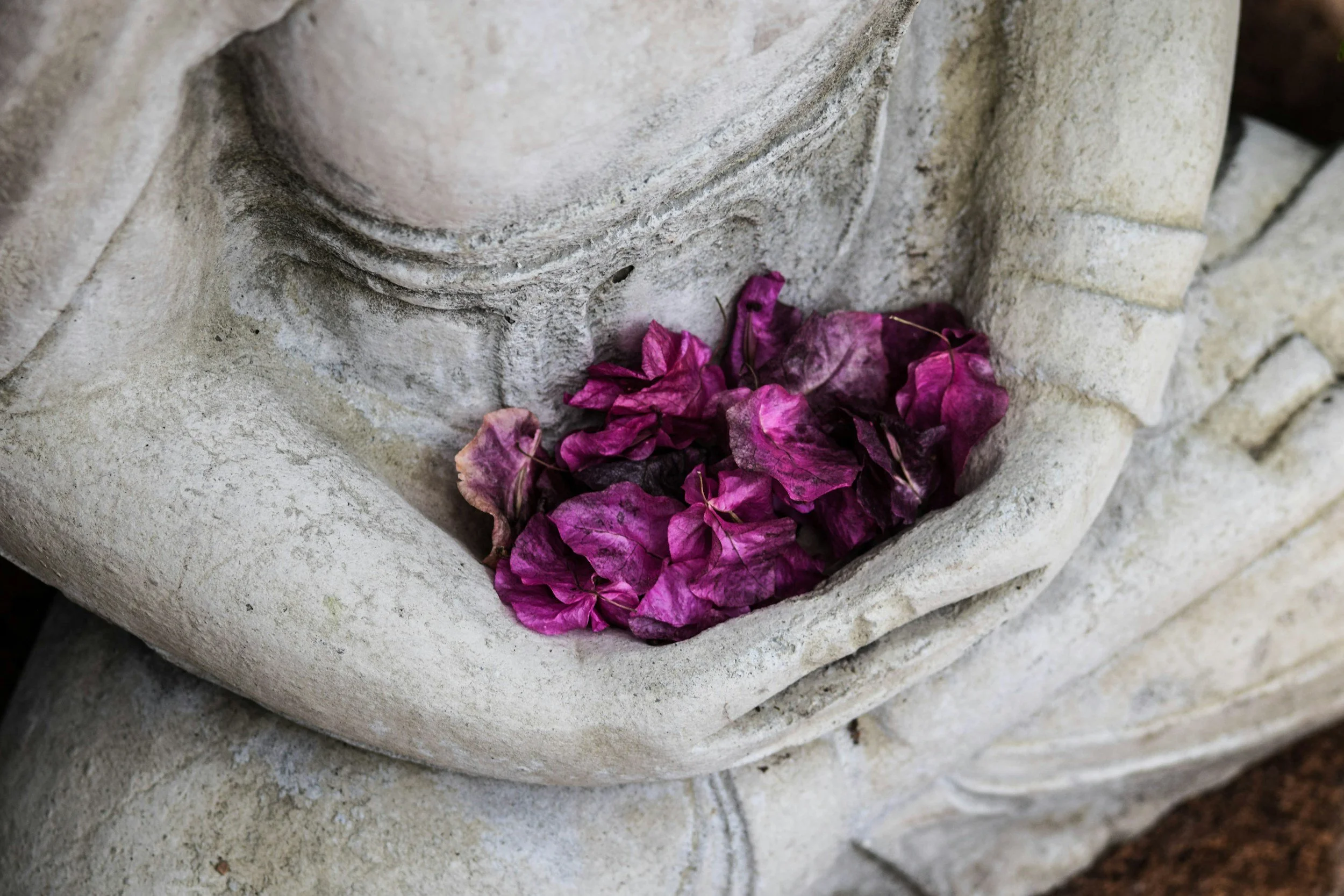
Image by Chris Ensey/Unsplash
We all know that meditation is beneficial, especially for the most common mental-health problems like stress, anxiety and depression. But there is less focus on the fact that meditation can be hard. How many of you have embarked on a meditation programme, determined to maintain it but found it too tricky to cram into your hectic day? Or seen some initial gains but lost enthusiasm when those benefits plateaued? Many of you, I’m sure (including the person writing these words).
As I wrote in a recent post about what I have learned from 15 years of daily practice, it took an eight-week mindfulness-based cognitive therapy (MBCT) programme to kickstart my practice. Before that I had been a yo-yo meditator, practising for a while before stopping again, feeling frustrated and downcast at my failure to stick at something I knew would be so good for me. If this sounds familiar to you, here are a few more (hard-earned) pearls of wisdom for some of the most common problems I see in beginner meditators.
I can’t find the time. This is so common, and so understandable. We are all super-busy these days, working demanding jobs, juggling childcare and work (if we have kids), rushing around in a constant whirl of busyness. If this rings bells, you may feel like you just can’t find the time in your always-on, stressful day. And if so, it may help to know that even short periods of practice are helpful. Start with five minutes, which even the busiest person can squeeze into their day.
I often tell my clients that, according to the research, around 10 minutes daily is the ‘minimum effective dose’ for meditation. This number varies depending on the study, but seems about right to me. That’s the minimum time I meditate every day and it always helps, even a little. So don’t stress yourself out thinking you need to sit in the lotus position for an hour! Not many people outside Himalayan monasteries have the time, or commitment, to do that.
I always mean to meditate, but forget. This is another common problem. Meditation is on your self-care list, along with drinking plenty of water, getting outside for a walk, reading that self-help book and getting eight hours’ sleep. Sometimes, self-care can become another demanding item on our never-ending to-do lists, which of course is the opposite of what it should mean for us.
There’s a simple fix for this one – practice first thing in the morning. Just make it part of your morning routine: get up, go to the bathroom, drink some water, meditate, shower, get dressed, eat breakfast, leave for work. Then it’s not some big thing you must do: Meditate! Calm Your Mind! It’s just a simple little step in your morning, no different from showering or brushing your teeth. I also find that morning practice has the most benefit for the rest of my day, as it puts me on a mindful path before all the busyness begins.
Sitting in silence is too hard, especially when my mind is racing. If your core practice is mindfulness of breath, and you’re using a timer, you may find that long period of just being with yourself and your thoughts is too intense. Sitting in silence is a deceptively simple skill. That’s why so many people struggle on silent retreats, because they’re used to a day full of distractions, switching from computer to phone to newspaper to TV and back again.
This is especially true if you’re struggling right now, with anxiety or depression, because your mind may not be a very pleasant place to be. If so, by all means use guided meditations. Although mindfulness of breath is my core practice, I often listen to beloved teachers on Insight Timer and do metta (loving-kindness), self-compassion or IFS practices. Especially on a day when my head is super-busy, I’m feeling a bit down, or tender-hearted. On those days the silence can be a struggle, so guided meditations are much easier.
I hope these tips are helpful for you. As with any practice, be it exercise, yoga or learning an instrument, patient, steady repetition is key. Keep going and it will get easier over time, I promise.
Love,
Dan ❤️
Enjoying Dan’s blog? Please make a small donation to support his work – all donations received will go to help Dan offer low-cost therapy or free resources to those who need them. Thank you 🙏🏼