
Why Resilience is Key for Trauma Healing
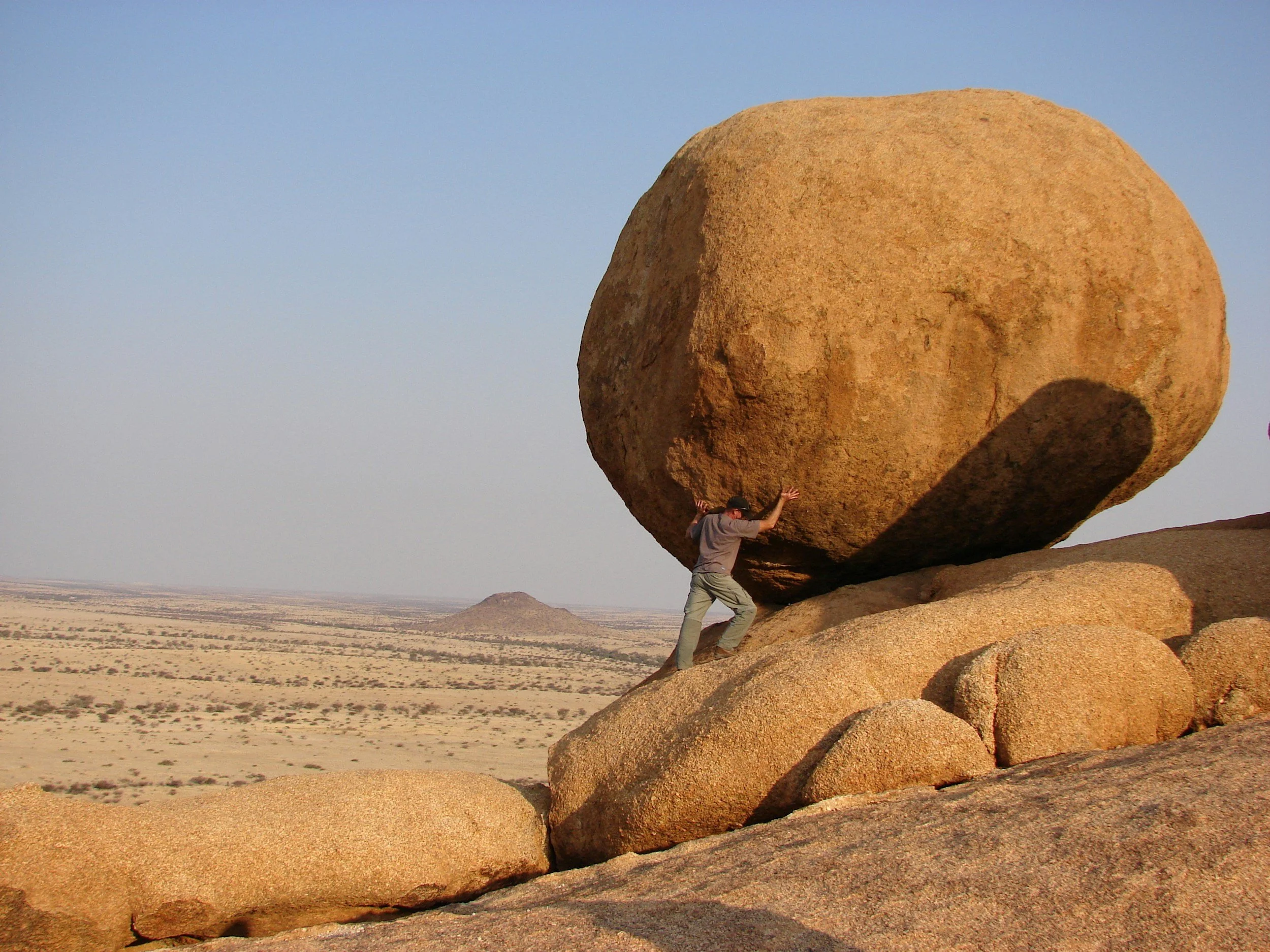
Image by Vicky Sim/Unsplash
Here’s a confession: in my precious moments of downtime, I spend way too much time zoning out with YouTube videos. I have a particular fondness for films about people doing amazing stuff – overcoming the odds, climbing mountains, surviving in the rugged wilderness, that kind of thing. And I particularly enjoyed this film, about a remarkable ultra runner called Timothy Olson. It’s about his attempt to break the record for running the Pacific Crest Trail (PCT), which stretches all the way up America’s West Coast, from Mexico to Canada.
I have long been fascinated by the PCT, ever since I read Cheryl Strayed’s inspirational memoir, Wild: From Lost to Found on the Pacific Crest Trail. If you haven’t read the book – or seen the movie, starring Reese Witherspoon – I strongly recommend it, because it’s all about recovery from trauma, grief and addiction by hiking thousands of miles through the baking desert and freezing mountains. After her initial struggles (she tells a hilarious story about first putting on her immense backpack and not even being able to stand up), Strayed discovered an inner grit and resilience she had no idea was inside her. She hiked an incredible 2,650 miles from the parched hills of California to the towering forests of Oregon, came to terms with her grief and found herself again.
I find these kinds of stories – of recovery from trauma, against all the odds – incredibly moving, for obvious reasons. And Olson’s quest is even more epic, because he runs 50 miles a day for 50 consecutive days, battling injury, extreme conditions, wildfires and a section of the trail literally crawling with rattlesnakes. We learn his backstory and that he felt lost as a young man, turning to drugs and alcohol and ending up in jail. Olson admits he could easily have died from an overdose in those dark days, but running (and eventually his beloved wife and kids) saved him.
Why resilience is crucial when healing trauma
You may be thinking, That’s all very well, but what does this have to with me? Which would be a fair question. As my clients will confirm, I do love a good story and am prone to taking long, PCT-length digressions before getting to the punchline! So here’s the point of this story: I’m not expecting you to become an ultra runner or hike thousands of miles through the wilderness. But I do think both Olson and Strayed share a crucial quality you need when healing from childhood trauma: resilience.
This is true on many levels. First, you need a great deal of resilience just to survive trauma, especially if your experiences were extreme. I am in awe of my clients, because many of them have been through truly awful things and didn’t end up in jail, or addicted to opioids. They may have used substances to numb their pain, or had periods of chaos in their lives, but that is entirely understandable given the pain they were dealing with on a daily basis. I have often written of my own traumatic childhood and subsequent struggles with alcohol and other substances. Thankfully, that is all in the long-distant past for me, but I totally understand why protective parts use substances and other addictive behaviours to numb us out or help us escape from pain.
Second, you need a great deal of resilience to keep working away at healing from trauma, because most people I work with have been trying to heal for years, sometimes decades. They have attempted many different kinds of therapy, medications, countless self-help books, podcasts and Instagram life hacks to get better. Just to keep going, keep believing and maintaining the tiniest flicker of hope in your heart, takes a great deal of persistence, strength and courage. The fact that you are reading this post testifies to your commitment to recovery, so I’m very proud of you for that.
Therapy can be hard work
Finally, the process of therapy can be tough, especially for stubborn, hard-to-treat problems like complex trauma. As a trauma therapist, I see that every day in my practice. It may be a cliché, but it remains true, that the only way out is through. Healing the wounds of trauma means facing up to, talking and thinking about, painful episodes from your past you would often rather avoid or stuff in a locked cupboard, deep in the dark recesses of your mind. There’s a reason we detach and dissociate when we experience trauma, because it can be overwhelming, so your brain shuts down neural circuitry to protect you. It can also help you dissociate from traumatic memories, as they can feel – very understandably – too much to bear.
Sadly, this doesn’t work very well, as anyone who has experienced disturbing PTSD-related flashbacks will testify. We need to process these memories, whether that’s with trauma-focused CBT, EMDR, imagery rescripting in schema therapy, or memory reconsolidation work in IFS. Whichever therapeutic method you choose, there is no quick fix or simple solution – change, healing and growth take time, sustained effort, determination and commitment (as well as moments of magic, profound relief, beauty and joy along the way). Fostering resilience, with help from a skilled therapist, will help you emerge from the dark shadows cast by trauma, into a lighter, more peaceful, contented life.
As you undertake that journey, you may also find stories like Olson’s and Strayed’s inspiring – because they represent the best of humanity, our remarkable, indomitable spirit and inherent drive to health, happiness and recovery. I have marvelled at this spirit in myself and hundreds of my clients, so I’m confident you have it too, even if it feels hard to access right now. Like these adventurers, the key is to keep forging ahead, one foot in front of the next, knowing that there is light at the end of your tunnel, however long it may take.
If this all feels a bit daunting right now, if you’re weighed down by hopelessness and healing feels impossible, sending you love and strength. Don’t give up. I promise you that, with the right help and focused effort, change is always possible. And I will do everything in my power to help you on that journey.
Love,
Dan ❤️
Enjoying Dan’s blog? Please make a small donation to support his work – all donations received will go to help Dan offer low-cost therapy or free resources to those who need them. Thank you 🙏🏼