
Feeling Stressed? How to Soothe Your Frazzled Nervous System
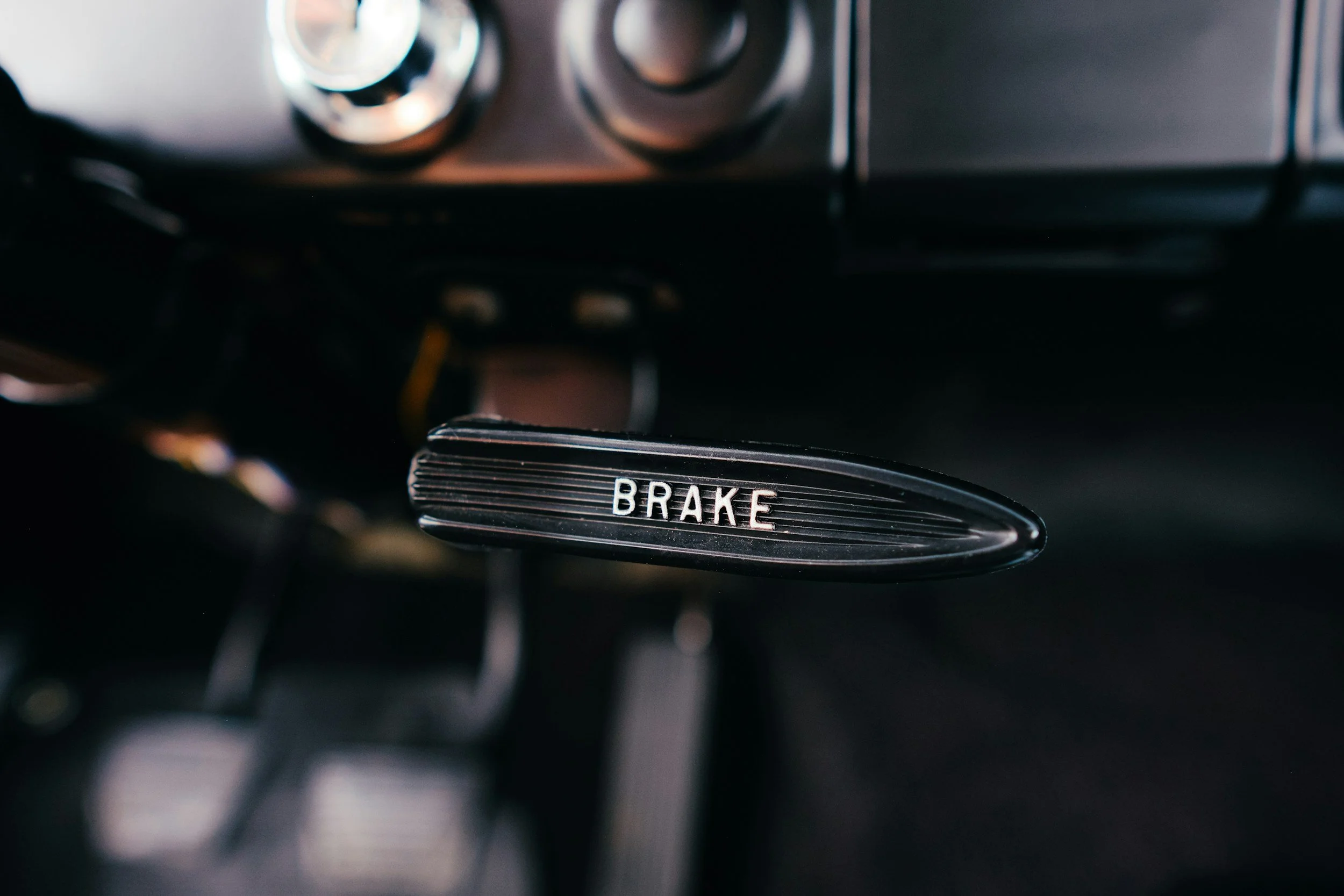
Photo by Wesley Tingey/Unsplash
Most of us living in an urban environment must navigate a high-energy, always-on, stressful world. As I have often written in these posts, we are not designed for a 21st-century lifestyle. It’s too much. Too fast. Too bright, noisy, stimulating, overwhelming. You and I live in bodies designed for Stone Age life, spending our days with a small band of people in the wilderness. No TVs, smartphones, caffeine, cars, laptops or doom-scrolling social-media feeds. Just big skies, profound silence, the untouched natural world in which we engaged in periods of intense activity followed by long stretches of rest.
Even if your mental health is good, you didn’t experience trauma as a child and were lucky enough to sail through life without too much stress, you may still feel fried and frazzled at the end of a long day, especially if you live in the city. It’s just not a healthy environment for humans to inhabit. But, sadly, most people reading this did not lead such a charmed life. Most of you did experience childhood trauma and are now struggling with your mental health.
The way those struggles show up varies from person to person. I notice in my clients that people either tend towards ‘hyperaroused’ (high-energy) states like stress, anxiety, anger or agitation, or ‘hypoaroused’ (low-energy) states like sadness, loneliness, shame or depression. Of course, we can all experience both extremes, cycling between high- and low-energy states. But most of us experience mostly one or the other.
And many of my clients are in the hyperaroused territory, struggling with chronic stress, hypervigilance, feeling threatened and unsafe, being anxious, panicky and worried, experiencing insomnia and finding it hard to switch off or relax. When I’m teaching them about the nervous system and the way it becomes dysregulated by trauma, I explain that the autonomic nervous system (which operates without your conscious control) is divided into two branches: sympathetic and parasympathetic.
Your inner accelerator
Let’s start with the sympathetic branch, which is activated as part of the fight-or-flight response. Imagine living that Stone Age life, happily resting after a big meal. Then you notice a pride of lions creeping through the long grass towards you and your tribe. You all start screaming and shouting and waving your spears, trying to scare the lions off. But these are hungry cats and not easily repelled, so you all need a Plan B.
Luckily for you, the powerful parts of your brain that make up your threat system are way ahead of you. They have already decided that fight is the best survival response, as there are 30 humans vs five lions. So those brain regions activate your sympathetic nervous system, your heart rate speeds up, adrenaline and cortisol are released into your bloodstream and, using all that fight energy, you charge the lions and they scatter. Well done, you lived to see another day.
The sympathetic branch of your nervous system is like an inner accelerator, perfect for times you need plenty of energy and instant, lifesaving reactions like these. But not so helpful if you’re stuck at a desk, reading your boss’s latest critical email telling you how badly you screwed up an important report. Now your accelerator gets jammed on and stays there for the rest of the day, as you fidget and sweat and struggle through to 6pm, when you can collapse into the nearest bar and take the edge off your horrible day.
Time to hit the brakes
Of course, if that happens from time to time, no judgement. Alcohol is an effective way to manage stress, as our Stone Age ancestors discovered! It’s just that there are consequences, especially from overdoing it. A more healthy and self-sustaining approach is learning a bunch of ways to hit your inner brake: activating the parasympathetic branch of your nervous system. After many years of working with trauma survivors and other folk whose inner accelerators are jammed on, I have developed a wide range of practices to help shift people’s nervous system state from dysregulated to regulated, sympathetic to parasympathetic, frazzled and stressed to peaceful and calm.
My brilliant social media manager, Jaime, shares many of those practices with you by tacking them on to the end of these posts, but you can also find them in my non-profit store, my Insight Timer collection or on YouTube – here’s one you can try right now, for free:
There are so many ways to shift into a parasympathetic state, which involve anything that feels calming or soothing for you. That includes practising yoga, Tai Chi, most forms of meditation, watching your favourite comforting TV show or movie, listening to classical or other kinds of calming music, watching a beautiful sunset, drinking warm/milky drinks, getting a massage, having a sauna, swimming, getting a hug, stroking a beloved pet… Just find things that soothe you and do them often, especially if you’re prone to high-energy, stressed-out states.
I hope you found these ideas helpful – and that you find a (non-bar-related) way to calm and soothe yourself today.
Love,
Dan ❤️
Enjoying Dan’s blog? Please make a small donation to support his work – all donations received will go to help Dan offer low-cost therapy or free resources to those who need them. Thank you 🙏🏼