
Why Hope is Like Gold Dust in Trauma Healing
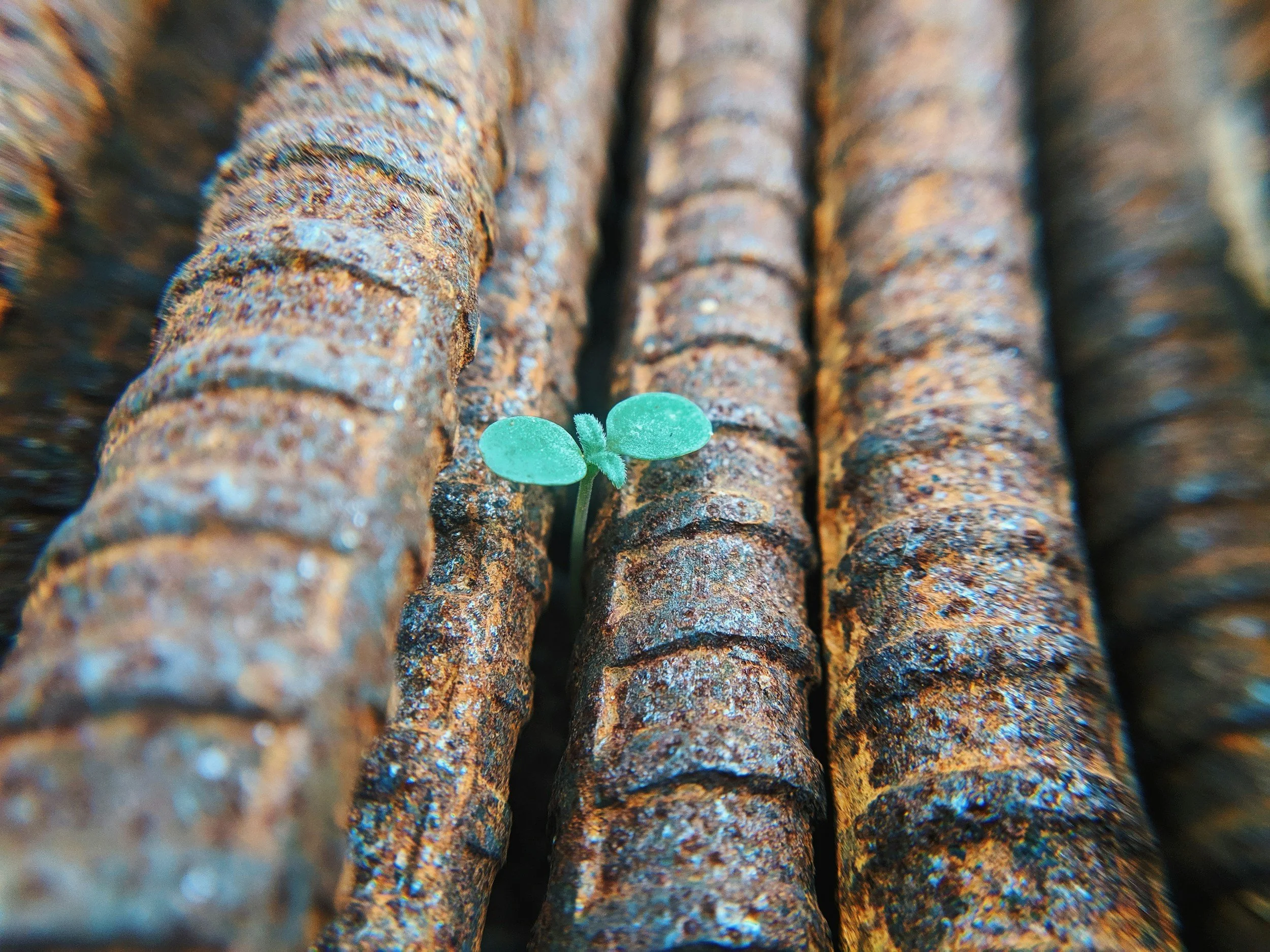
Photo by Faris Mohammed/Unsplash
Childhood trauma casts a long shadow over our lives. Sadly, for many of us that shadow lasts well into adulthood, even if the painful experiences happened decades ago. One of the most common marks of trauma I see in my clients is a tendency towards pessimism, seeing the world through a lens that makes it look dark, scary and gloomy. Psychologist Dr Rick Hanson teaches us that, in many ways, this is just how the human brain evolved. Our brains have a built-in ‘negativity bias’, which means we spend a great deal of mental energy on what’s bad in our lives: painful thoughts and feelings, worries about the future and threats in our environment.
Why? Because your brain evolved in a scary world, teeming with life-or death threats. Imagine living in the Kalahari Desert 10,000 years ago. Not only would you have been surrounded by hungry (lions, leopards, hyenas) and venomous (snakes, scorpions, spiders) creatures, but both food and water would have been scarce. Famines and diseases were common, life expectancy was short.
So it made total sense for our ancestors’ brains to focus strongly on the things that could kill us or our families. This negativity bias has served humanity well (otherwise you wouldn’t be reading this sentence!). It just makes life tricky for modern humans, who mostly live in cities, with plenty of food and few hyenas roaming our neighbourhoods. It also means we are very vulnerable to mental-health problems, because chronic stress, problems with anxiety or depression, low self-esteem or a lack of self-worth all, in different ways, involve a tendency to see the world and ourselves in a negative light.
Why hope can be healing
Add traumatic experiences like being bullied in the family or at school, growing up in poverty, experiencing racism or homophobia, and you have a recipe for a brain that defaults to a rather gloomy, hopeless world view. As I often tell my clients, when you were a kid that made total sense – in fact, it may have helped you survive a scary or hurtful environment as well as possible. If, say, you come home from school and open your front door expecting something bad to be on the other side, it might help you avoid your drunken, raging father, or bullying older sibling. This would have been a skilful, adaptive response to your environment.
But the same mindset in a fifty-something mother of three, living a quiet suburban life with a kind, loving husband, is not at all helpful. The danger has passed. You’re safe now. Those protective, hypervigilant parts of you can stand down. And allowing a tiny flame of hope to flicker in your heart – that life might actually get better, that you can heal and recover from the hurtful things that happened to you – is so important when you seek therapy from someone like me.
At the beginning of therapy, especially if someone is depressed, I tell my clients: Let me hold the hope. Depression is a particularly powerful extinguisher of hope, so it’s fine for me to carry that flame for a while. But I seek it out in my lovely clients at every opportunity, and try to kindle that spark into a strong, steady flame, because it gives them energy and determination for the bumpy road ahead.
If you also struggle to feel hopeful, you could try my practice, adapted from Dr Hanson’s brilliant book: Hardwiring Happiness: The New Brain Science of Contentment, Calm and Confidence. It’s intended to address that negativity bias, helping you focus on, feel and hard-wire positive, hopeful, pleasurable experiences into your brain. I love this practice (and use it all the time in therapy) because it’s so short and simple: just 30 seconds, repeated often, can make a huge difference. Try it now by clicking the button below.
I hope it helps – and that you can find a little hope inside, over time. It really can make life so much more enjoyable, as well as giving you the fuel you need to complete the hard yards of healing from trauma.
Love,
Dan ❤️
Enjoying Dan’s blog? Please make a small donation to support his work – all donations received will go to help Dan offer low-cost therapy or free resources to those who need them. Thank you 🙏🏼